


Rhinestone Timberland Boots:How to Spot Fakes (2026)
BY POIZON / UPDATED: 2026-02-11 17:17:13
START AUTHENTICATION
FOR FREE
90% RESULTS IN 1-15 MINS


Evaluate mid-top and classic rhinestone Timberlands meticulously using POIZON's guidance to ensure authenticity via material, construction, and label checks. Inspect leather type, rhinestone setting, stitching precision, sole molding, and logo embossing while noting weight and odor. Compare these attributes to verified references and factory codes for confidence when buying:
Timberland
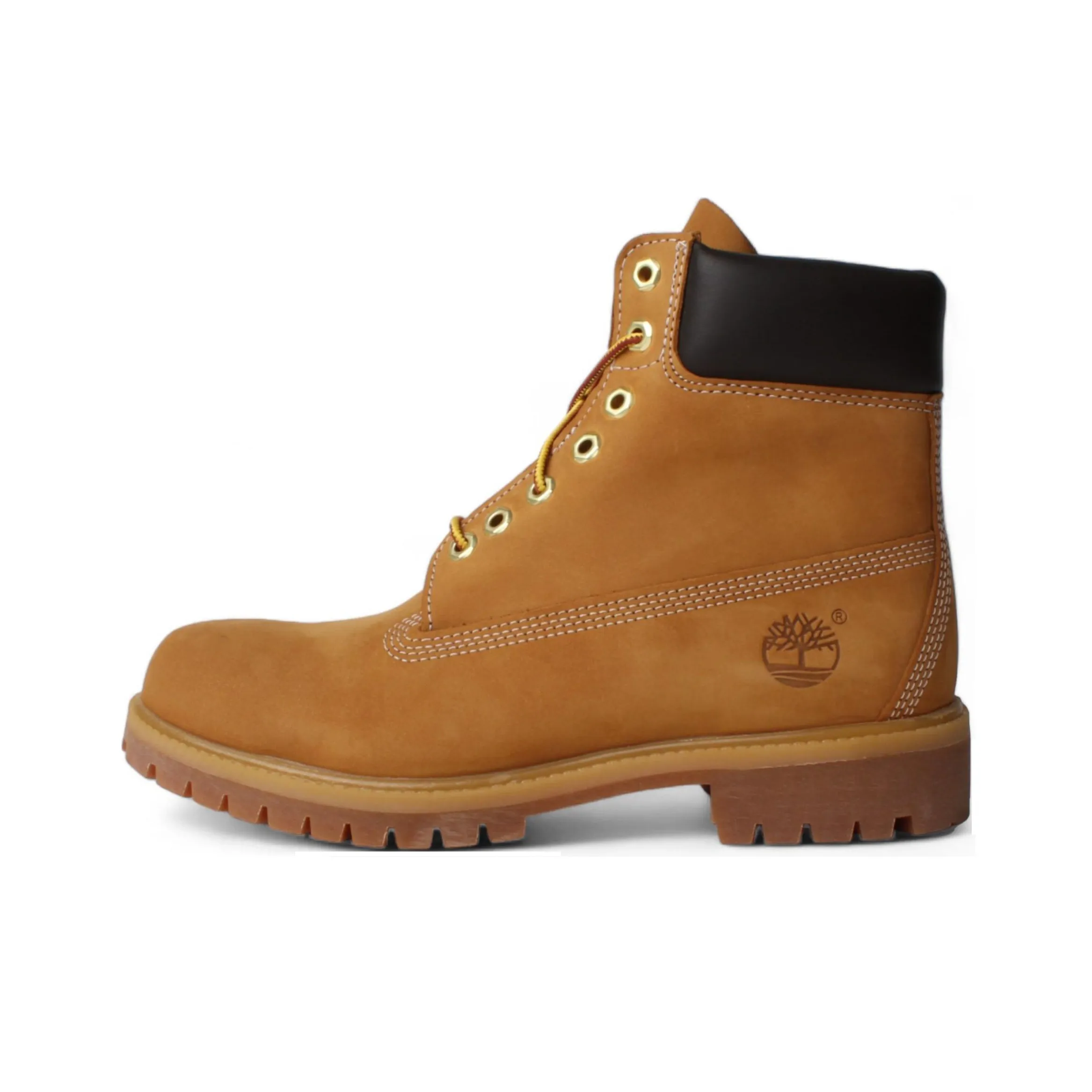
Timberland Premium 6" boots
Appearance
Preview

REAL
Preview
FAKE
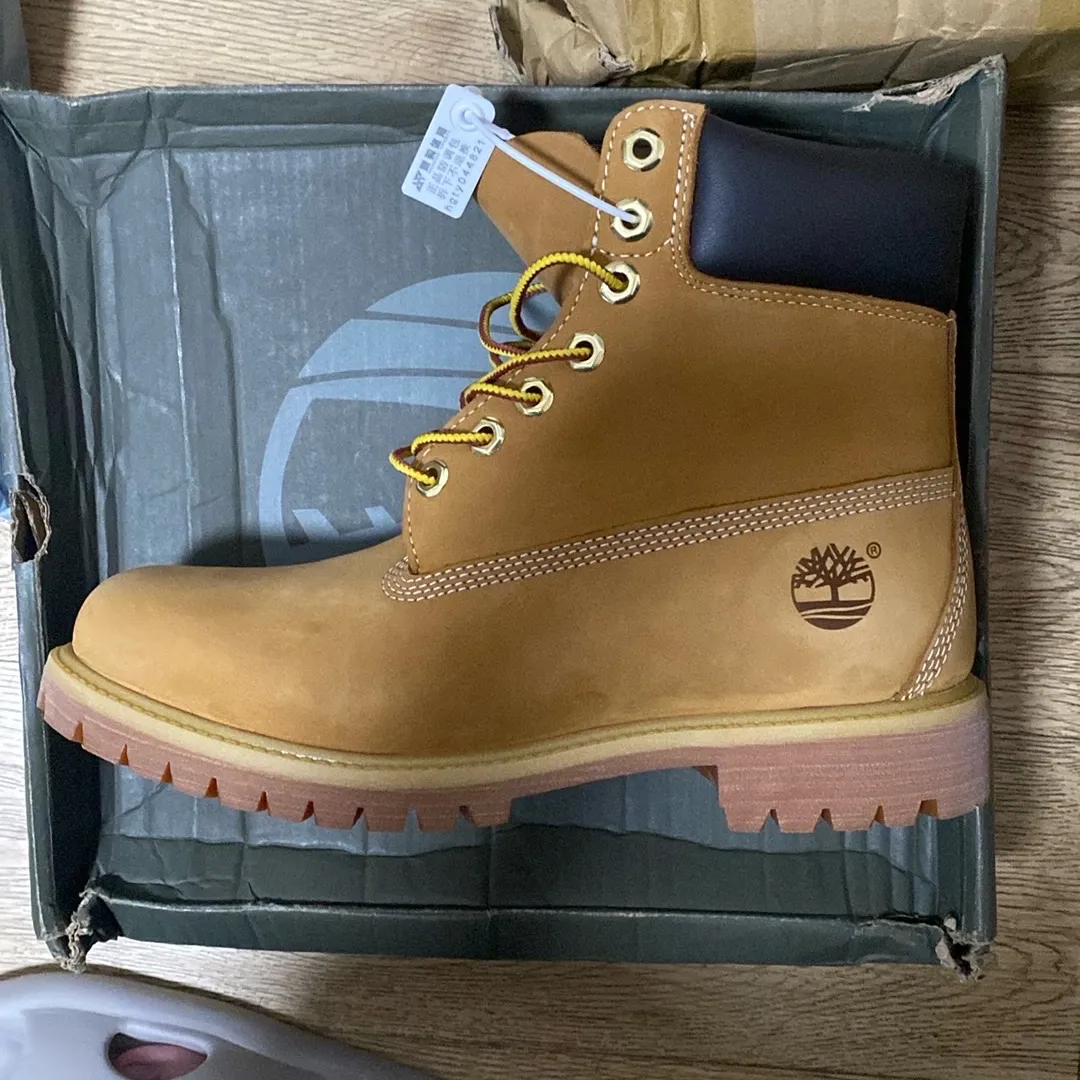
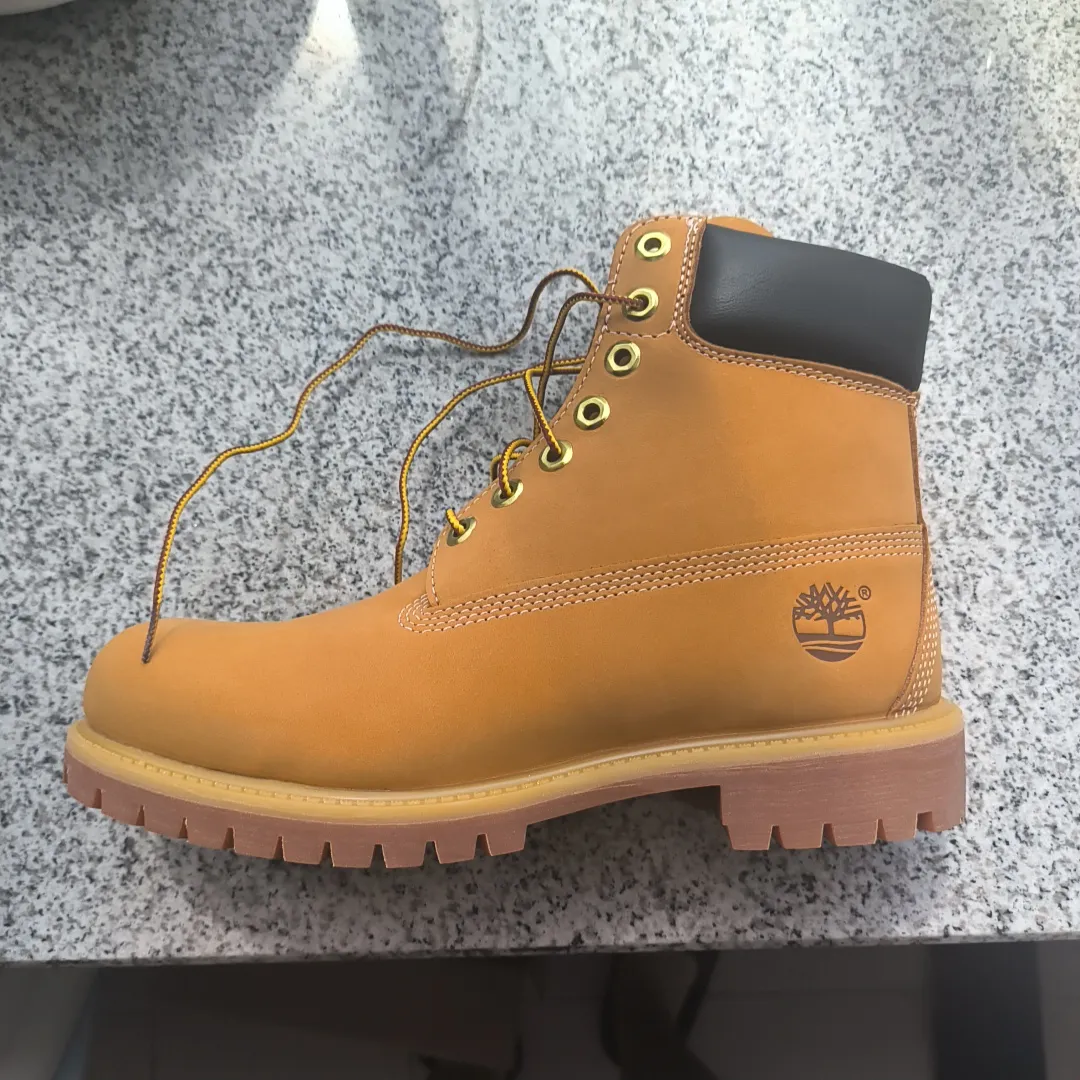
Inspect appearance closely: genuine rhinestone Timberlands show fine, even leather grain, tight, uniform stitching, and securely set rhinestones with consistent size and sparkle. Look for clean adhesive lines, correct welt construction, factory bevels, and precise sole molding. Check logo embossing clarity, balanced weight distribution, and absence of loose crystals or discoloration, which indicate authentic craftsmanship and manufacturing standards.
Label
Preview
REAL
Preview
FAKE
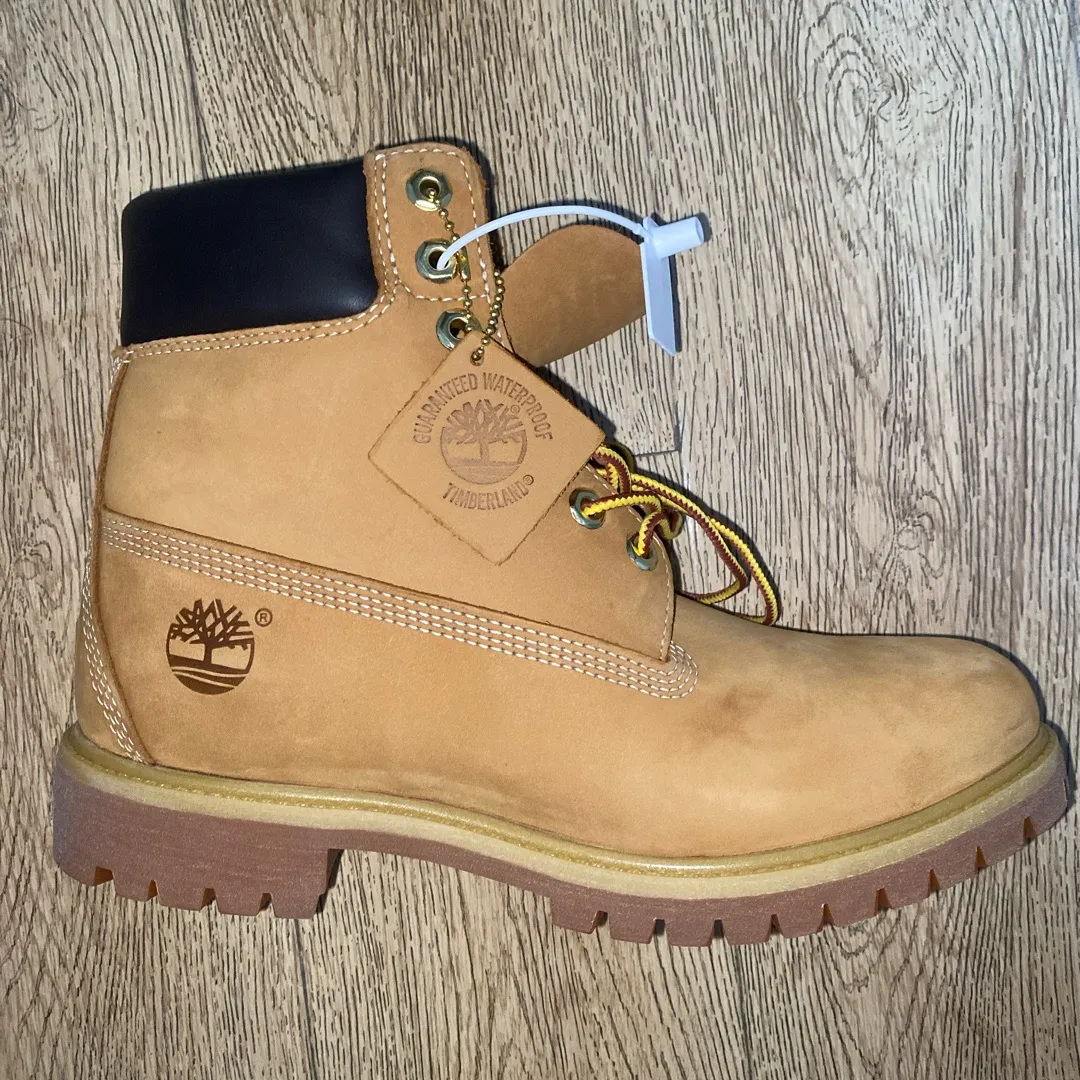
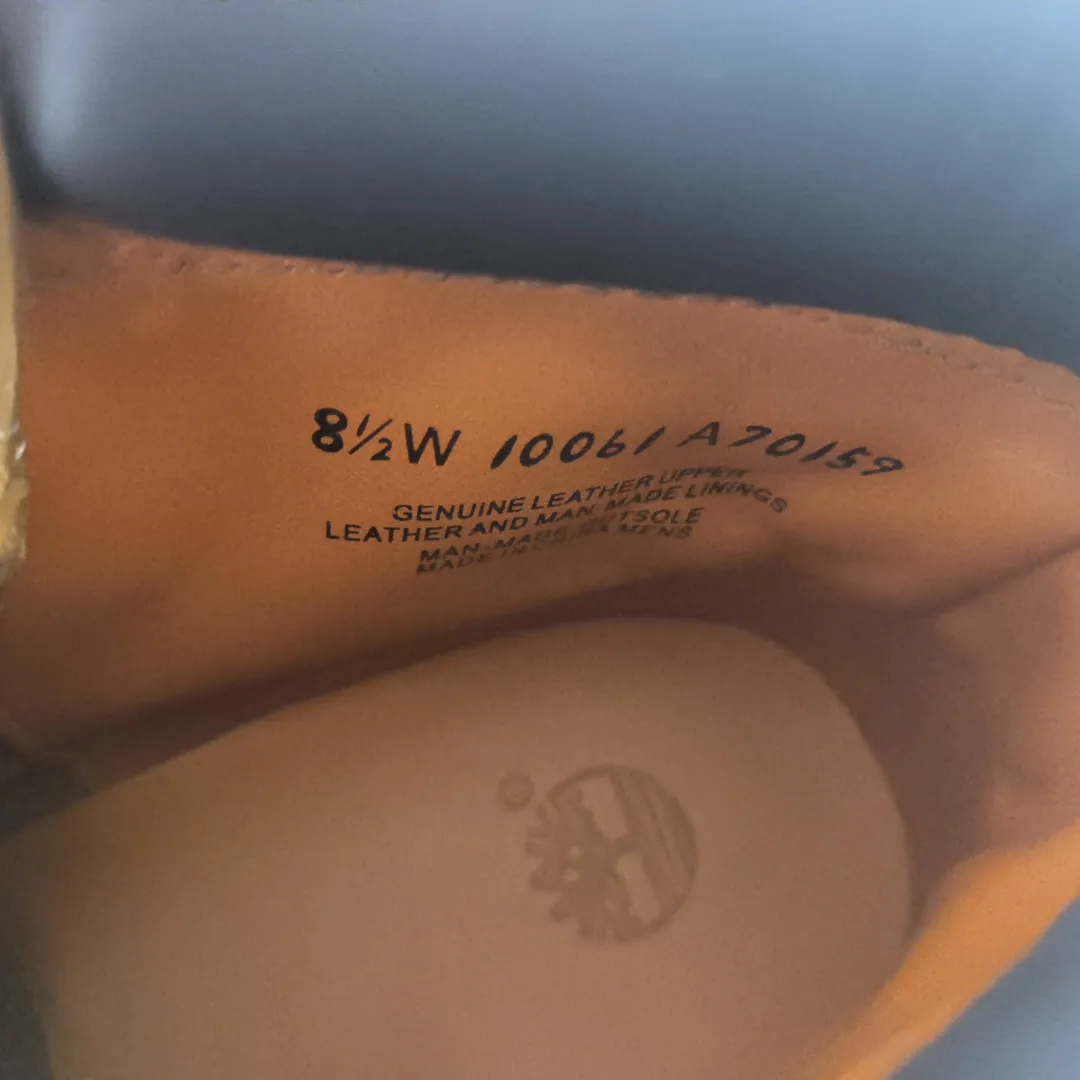
Verify label details: authentic Timberland labels feature crisp fonts, accurate logo proportions, and style IDs that match factory records. Inspect tongue tag, inside heel label, and insole stamp for consistent spacing, correct country of origin, and legible batch codes. Barcodes and serial numbers should scan and correlate with the style. Misprints often indicate counterfeit goods. Request proof of production date.
Go to Authentication
Timberland
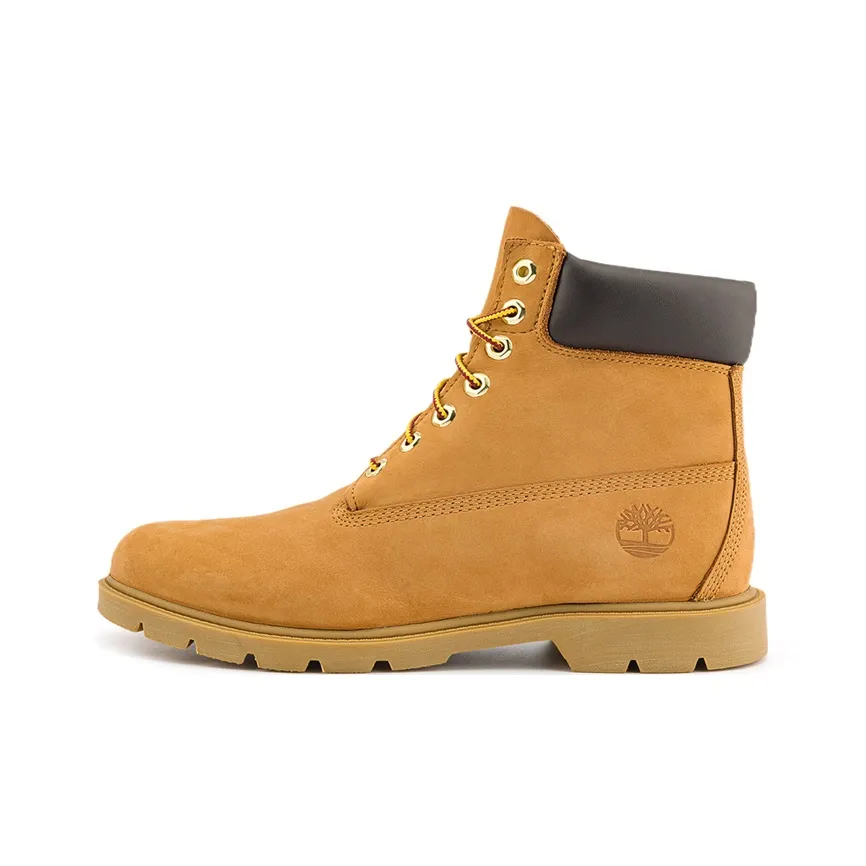
Timberland Premium 6-Inch Wheat Boots
Appearance
Preview
REAL
Preview
FAKE
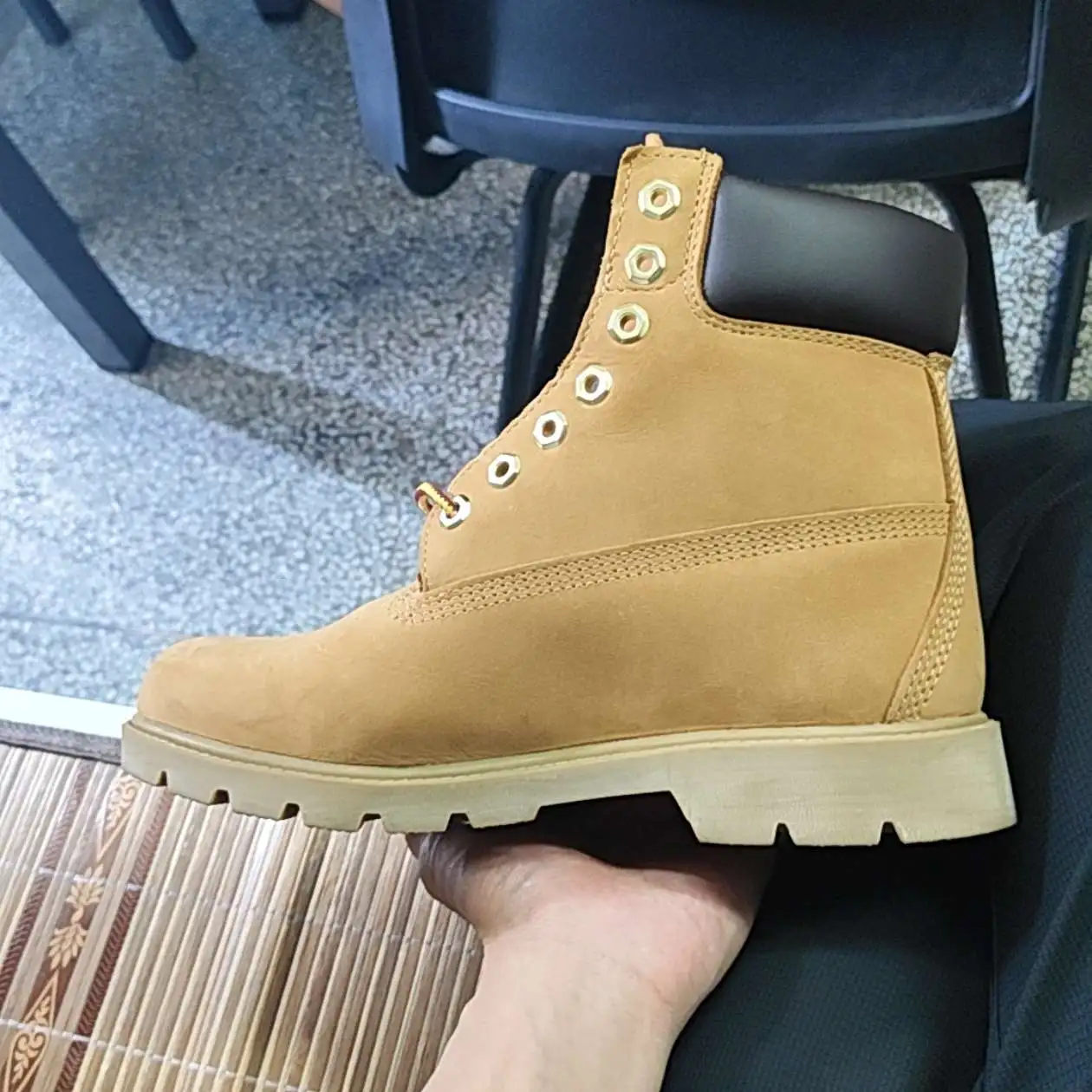
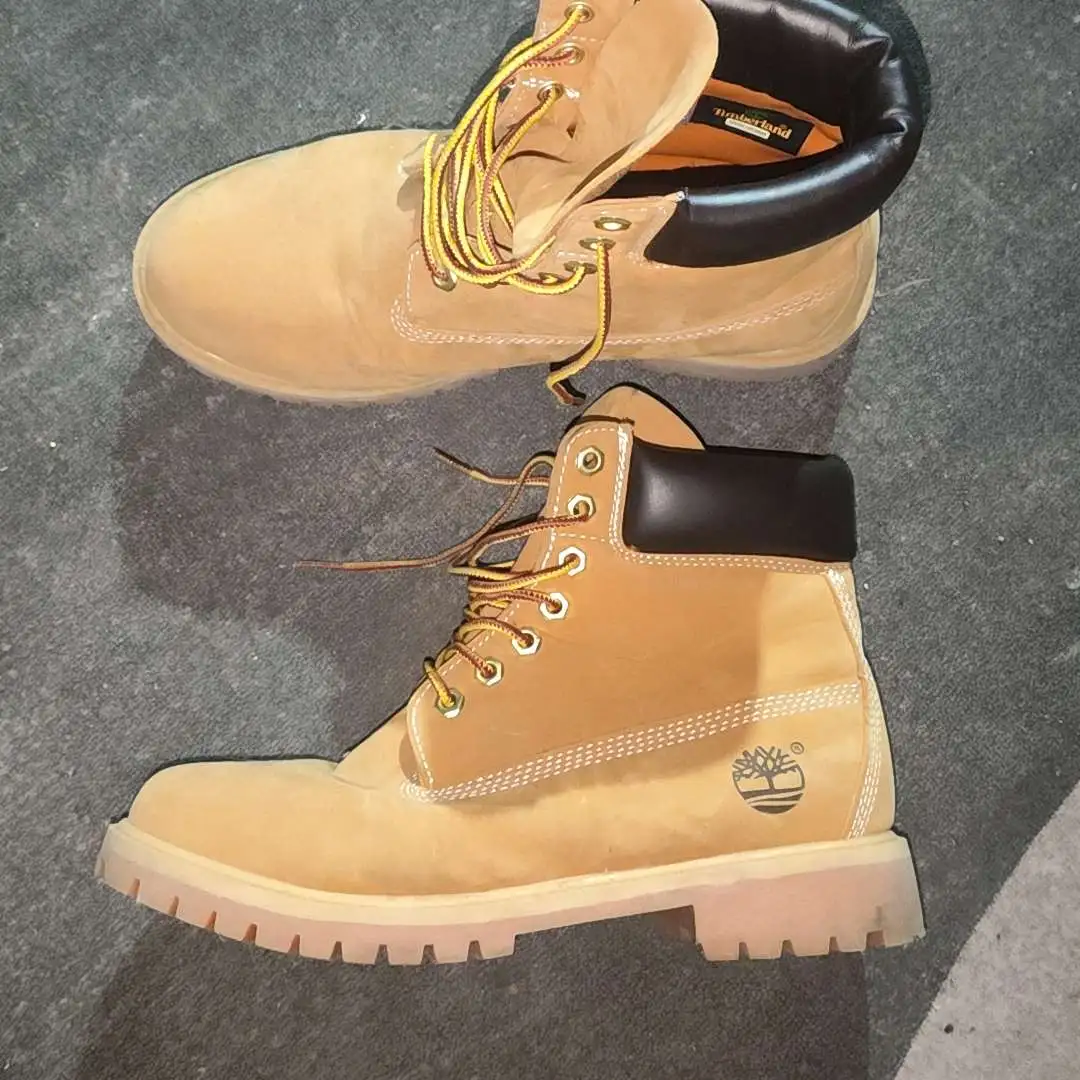
Examine appearance for wheat-colored Timberlands: genuine pairs display uniform nubuck texture, even dye depth, and securely affixed rhinestones with consistent spacing. Stitching must be tight and evenly spaced around seams and wedge heel. Inspect welt join, clean glue lines, and sole pattern accuracy. Avoid loose crystals, scuffs, or color mismatches, which often indicate tampering; confirm factory-set rhinestone backs for authenticity.
Label
Preview
REAL
Preview
FAKE
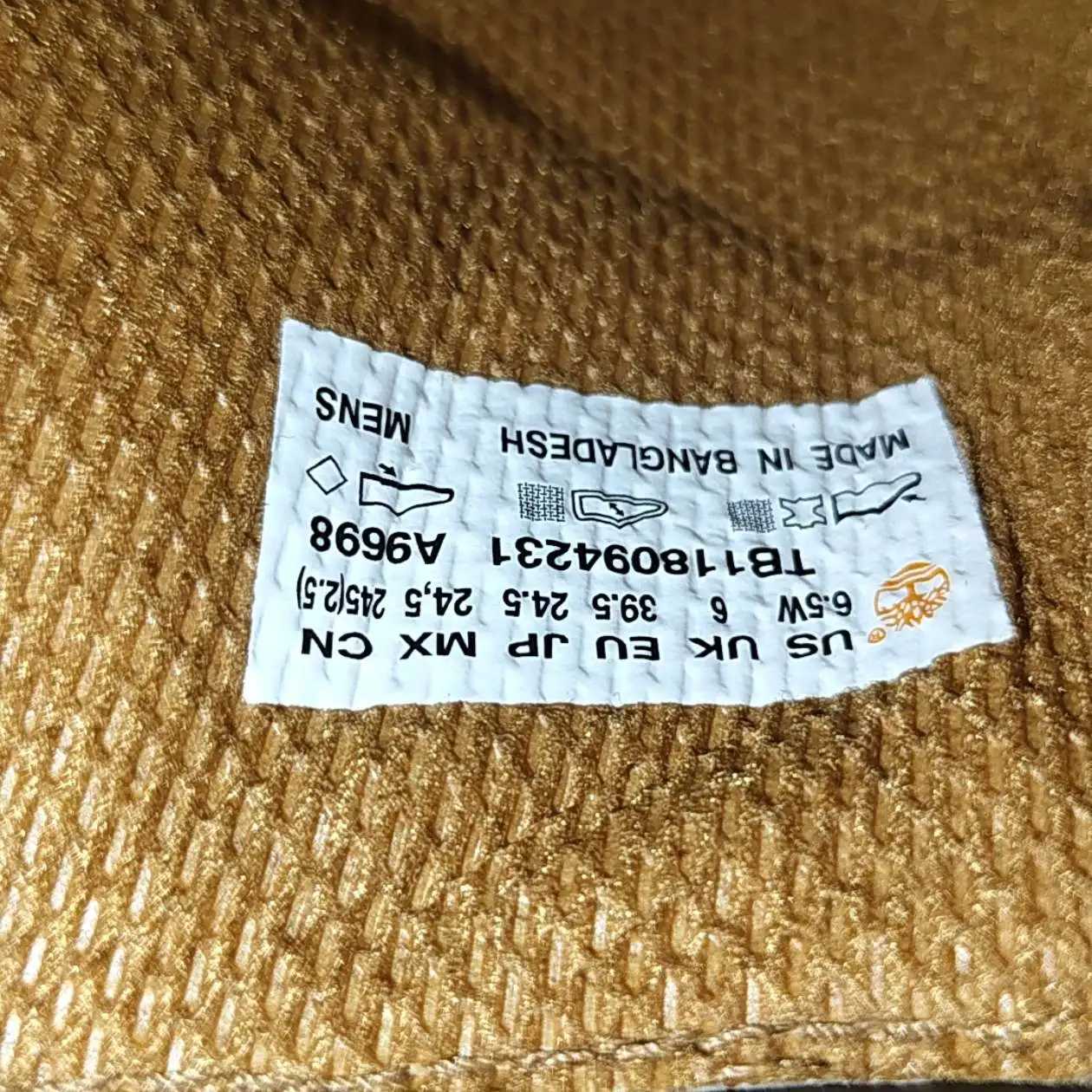
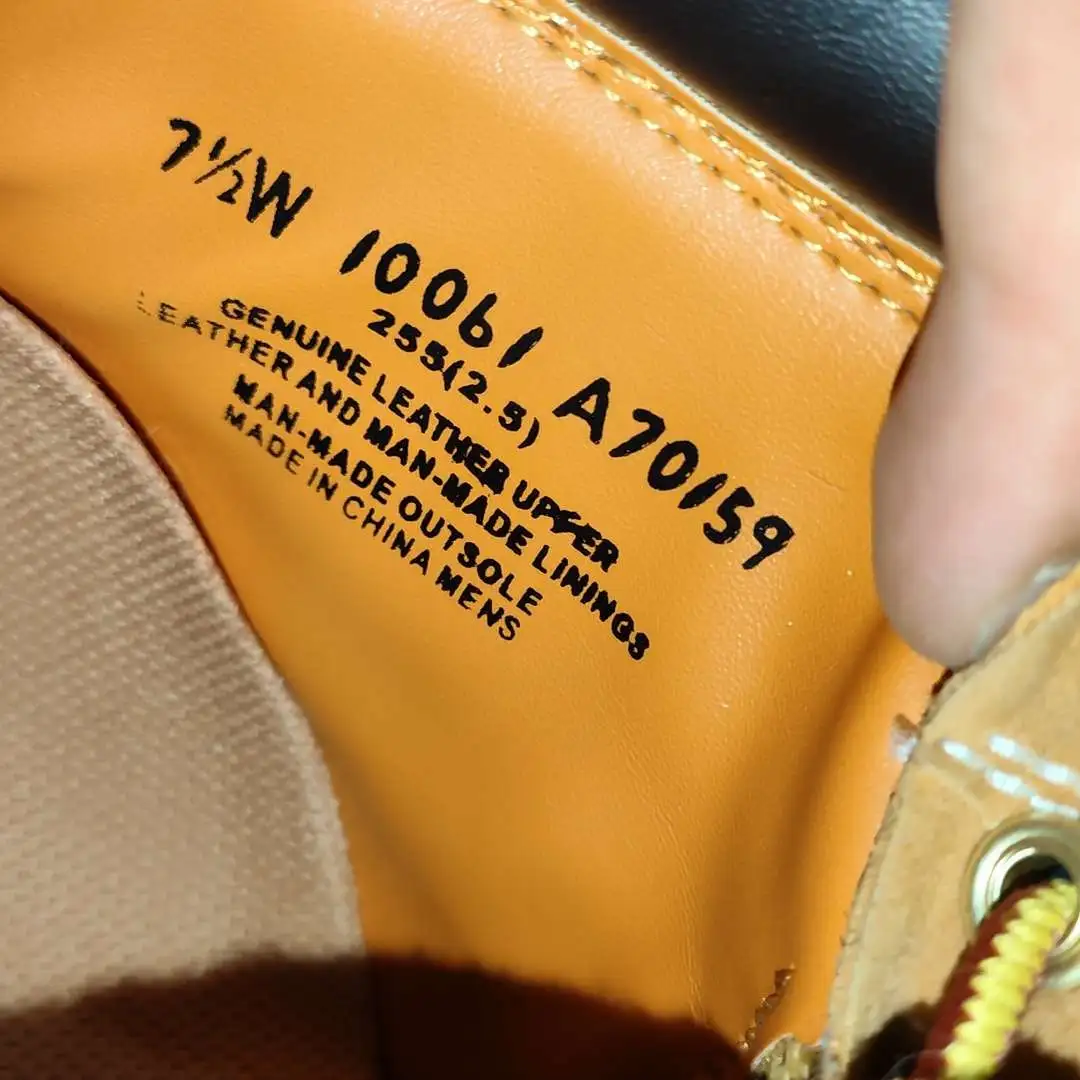
Check labels on wheat boots: tongue tag, inner heel patch, and insole should display matching model numbers and a clear 'Made in' origin. Fonts must be consistent with genuine Timberland typographic standards, and style ID 18094W should align with packaging. Verify batch codes and scan barcodes when possible. Any peeling, blurry printing, or mismatched codes suggests counterfeit or unauthorized modification.
Go to Authentication
Timberland
Timberland 6-Inch Premium Black Boots
Appearance
Preview
REAL
Preview
FAKE
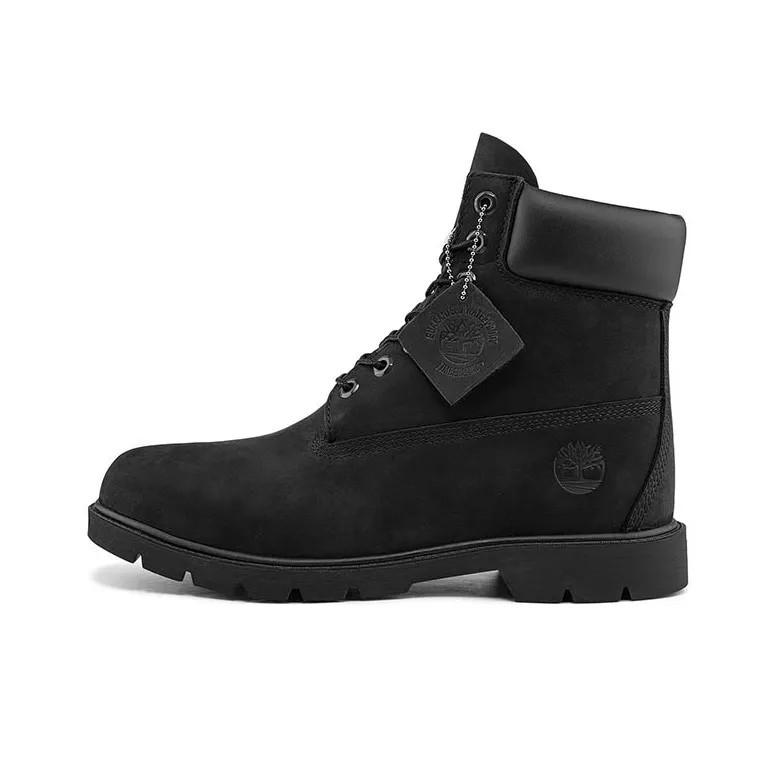
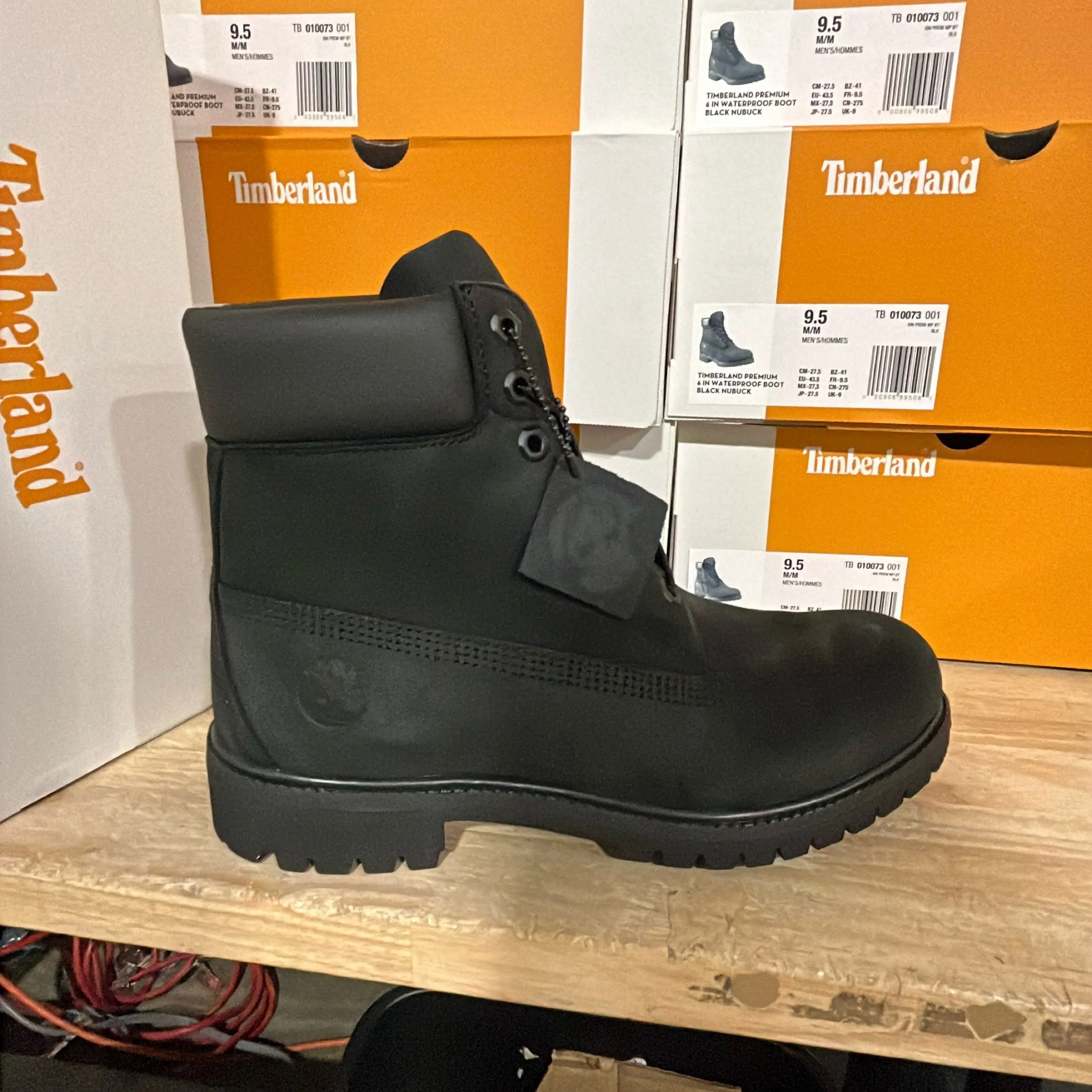
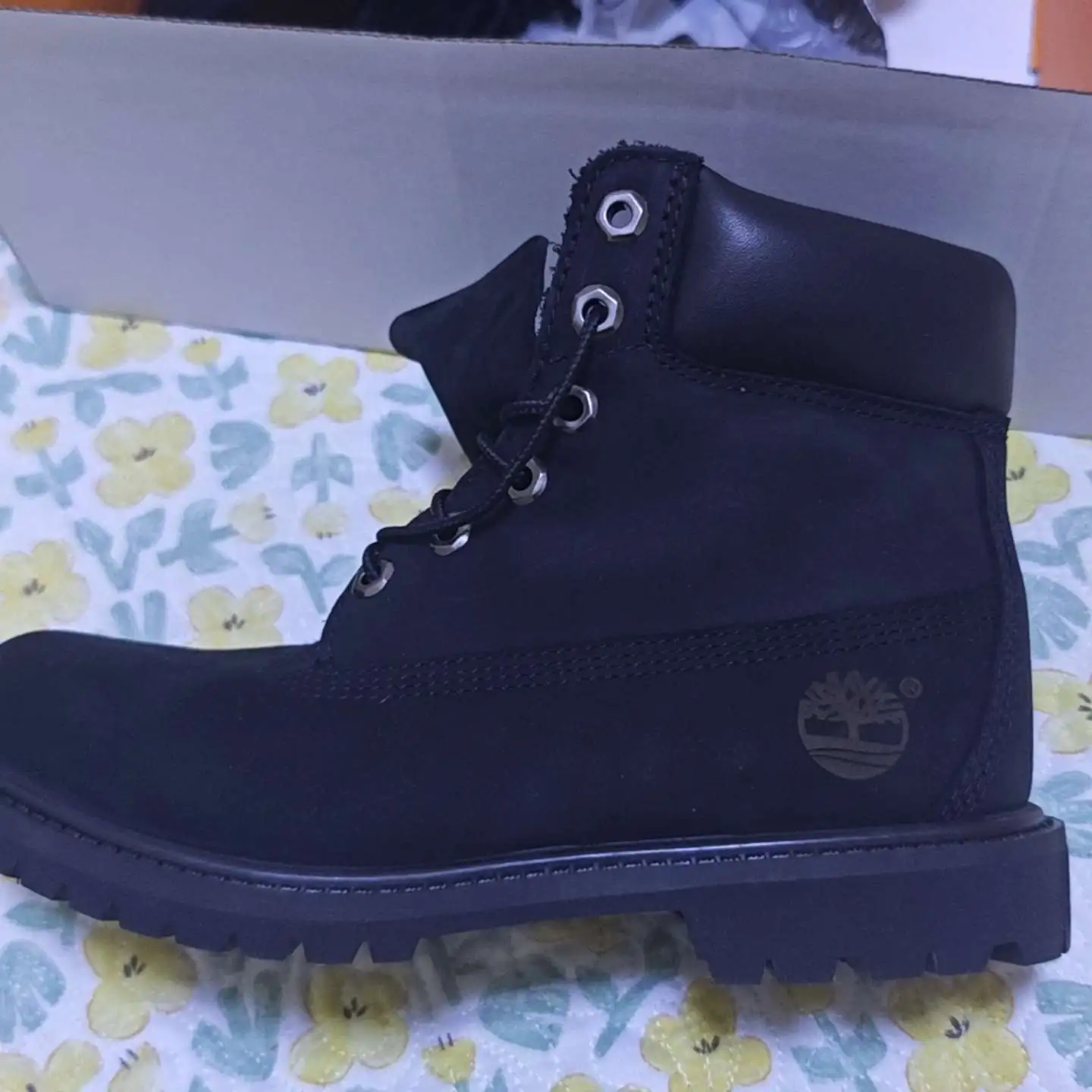
Authentic black Timberlands exhibit full top-grain cow leather with texture, consistent dye saturation, and robust, even stitching. Rhinestones should be uniformly set without glue overflow, and the sole should show defined tread patterns and clean junctions to the upper. Inspect embossed logos for crispness and verify weight feels substantial. Signs of sloppy glue, scuffed panels, or irregular crystals indicate inauthenticity.
Label
Preview
REAL
Preview
FAKE
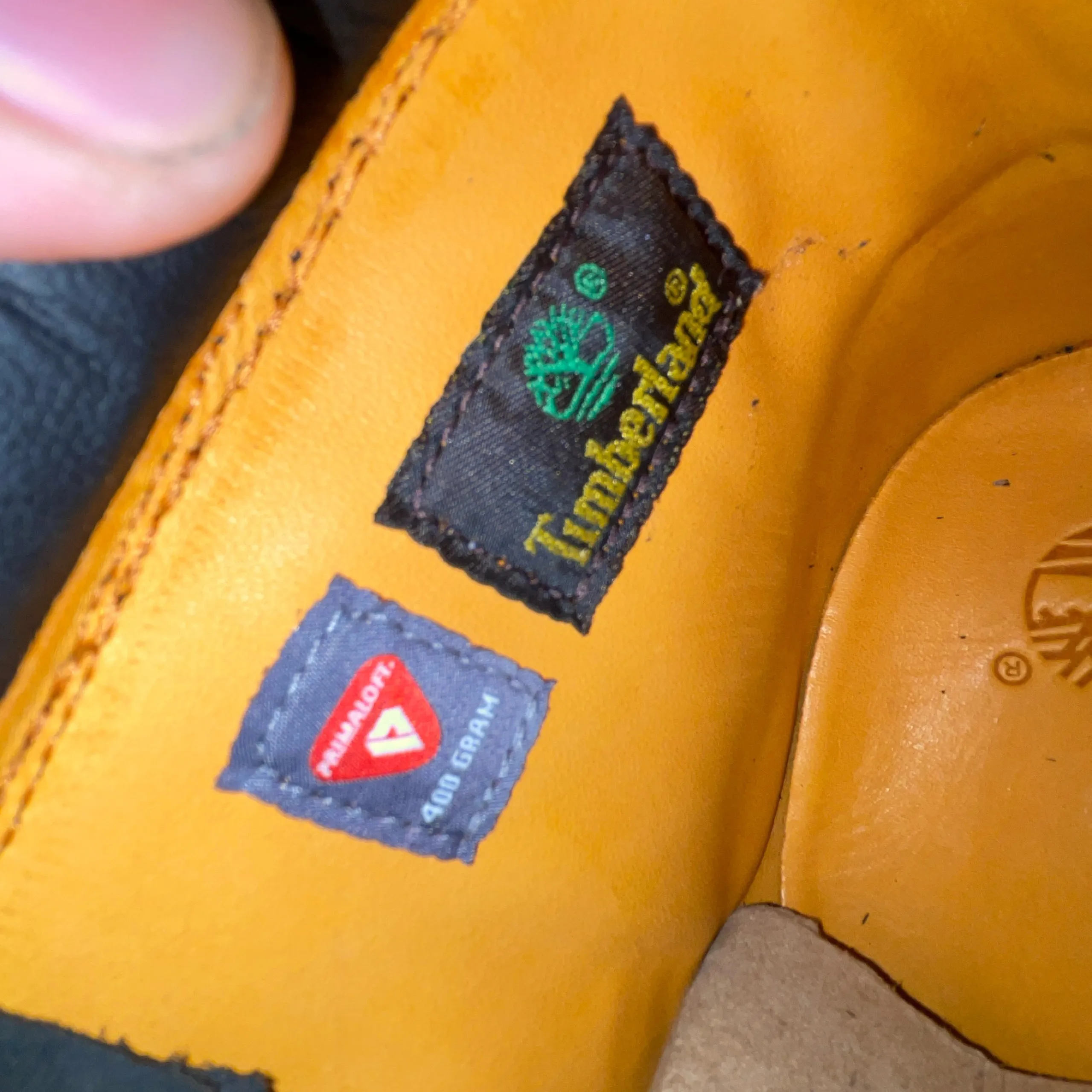
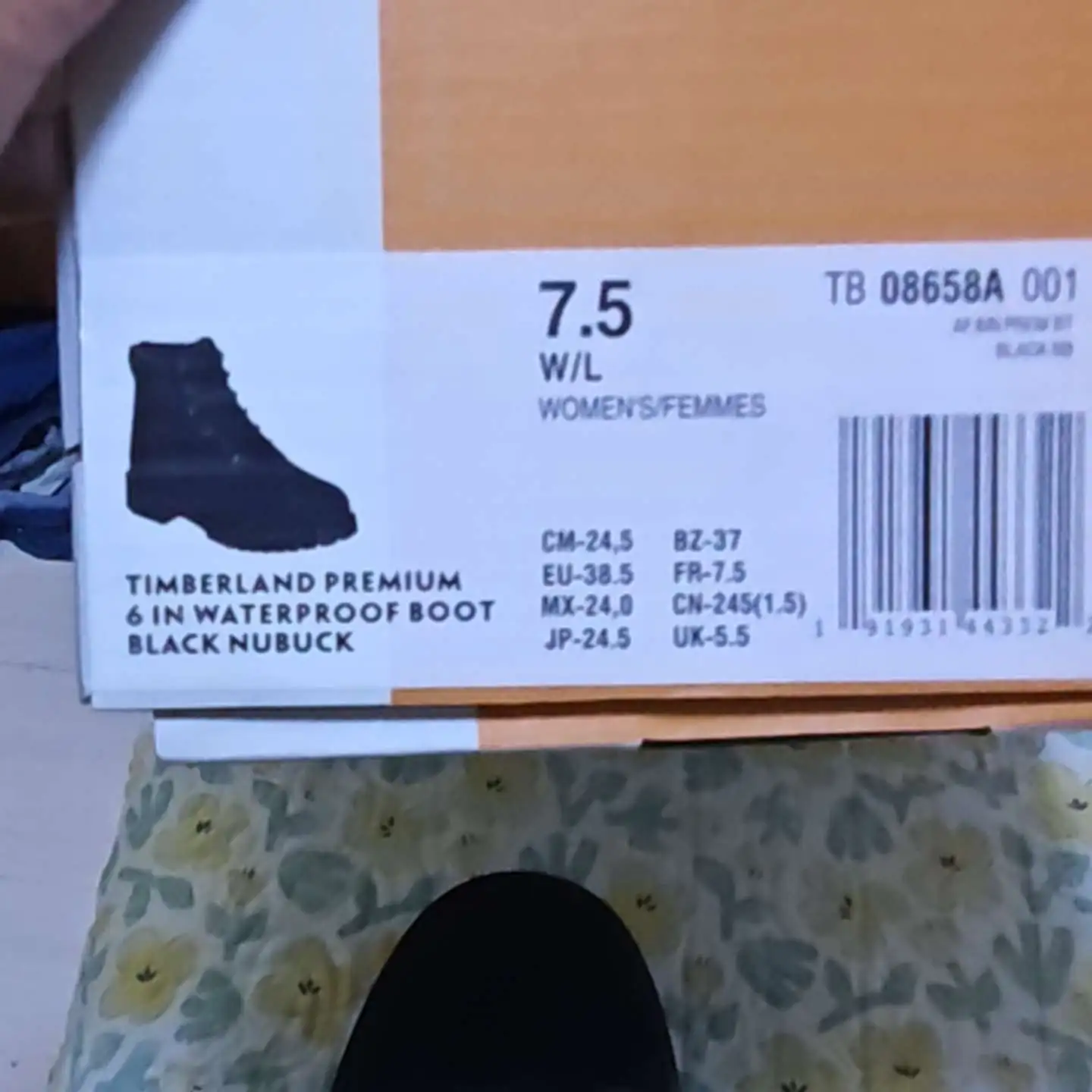
Inspect internal labels and tags: top-grain models include a clear style ID 19039W, matching packaging and proof-of-origin tags. Fonts, spacing, and logo alignment must be consistent across tongue label, insole stamp, and box label. Batch codes should be legible; barcodes should scan and link to correct product data. Worn, inconsistent, or altered labels are strong indicators of counterfeit or modification.
Go to Authentication
Timberland
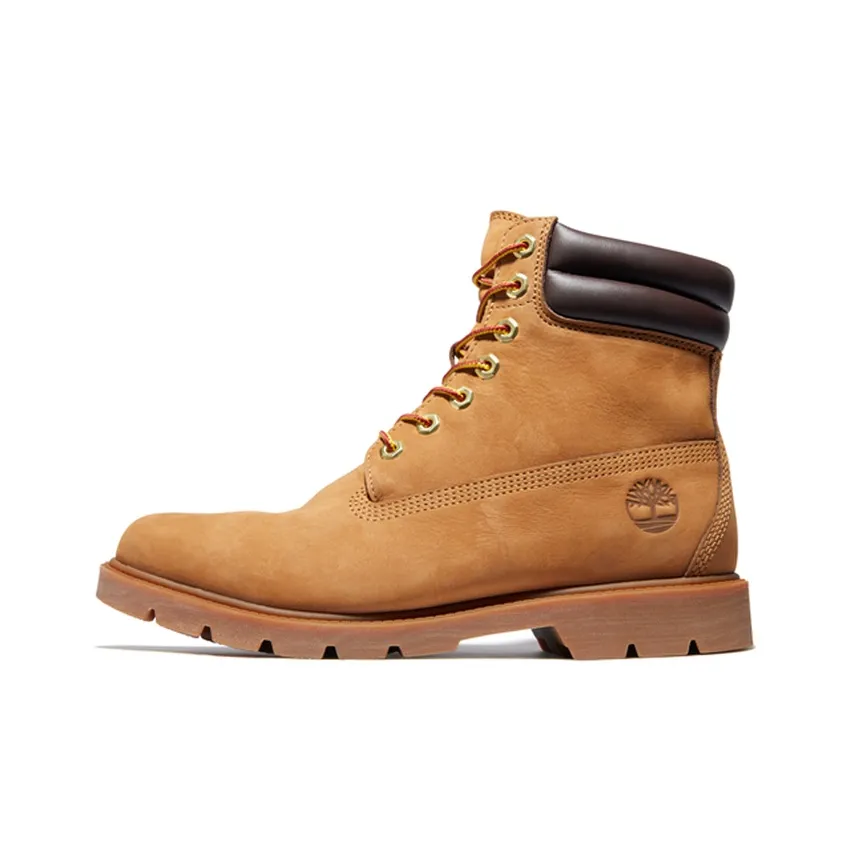
Timberland Premium MidTop 'Casual Comfort Brown'
Appearance
Preview
REAL
Preview
FAKE
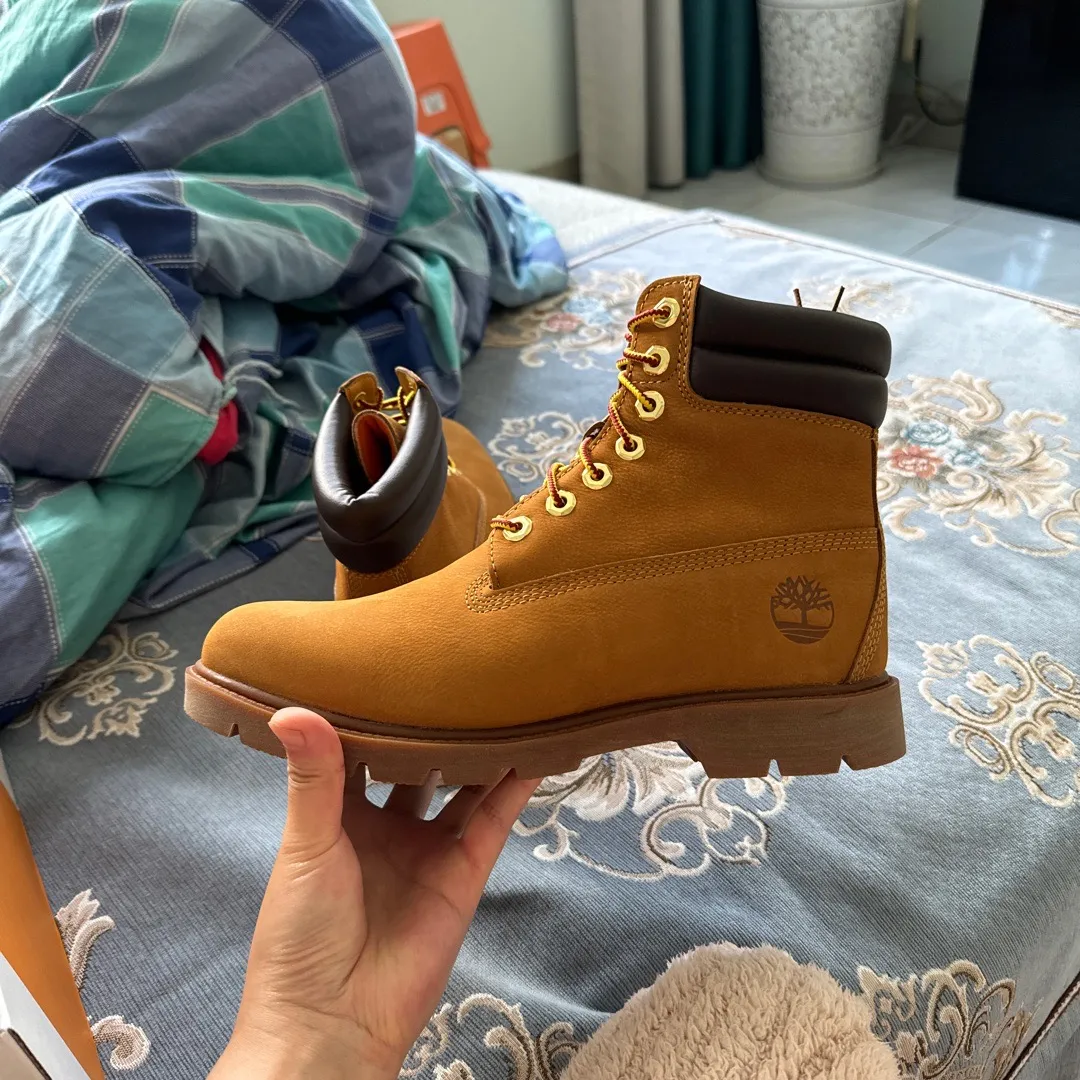
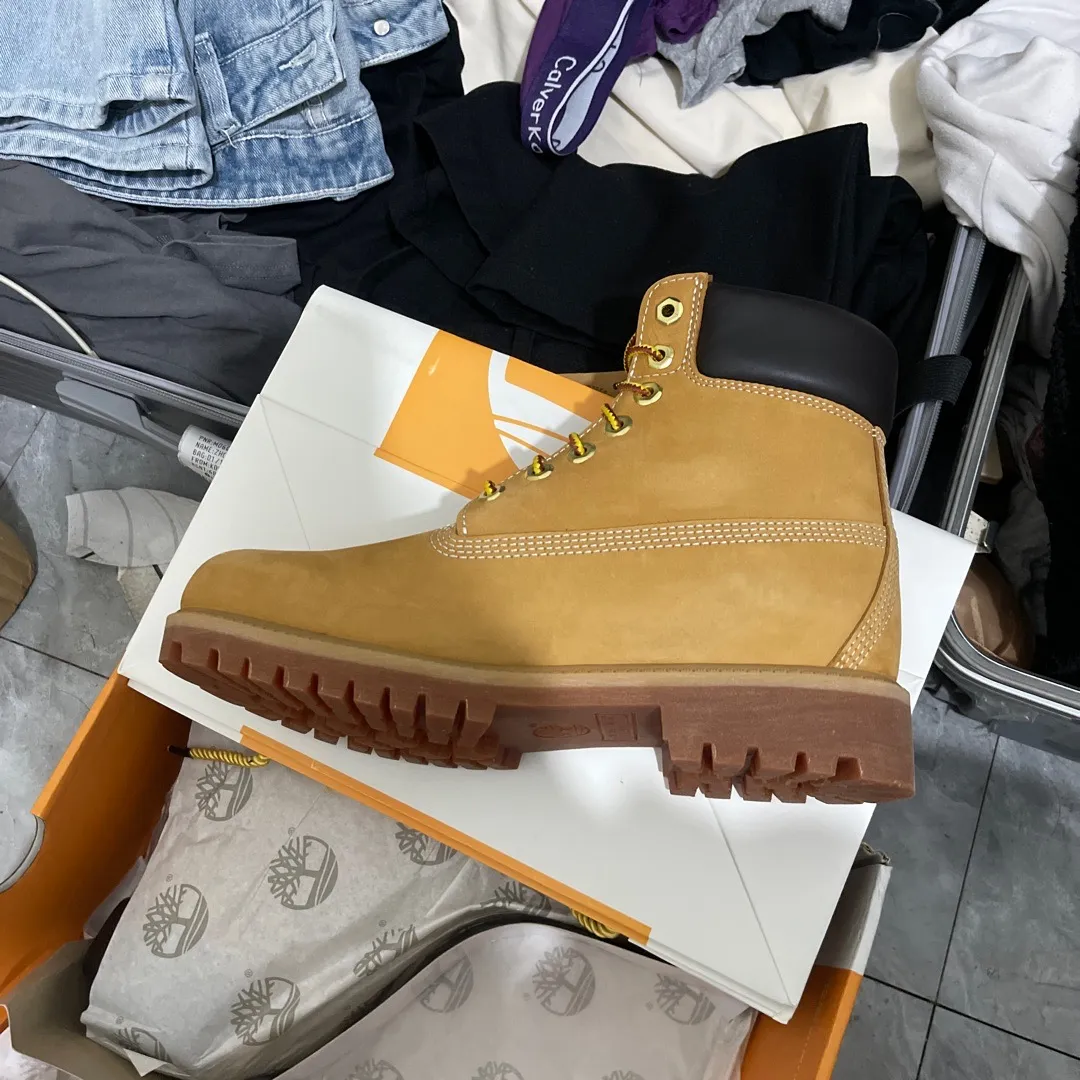
Evaluate mid-top brown Timberlands for consistent color, supple leather, and precise rhinestone placement. Genuine pairs show symmetrical sparkle, even stitching, secure eyelets, and correct rivet finishes. Inspect sole attachment for uniform welt stitching and clean adhesive lines. Verify matching thread color across panels and confirm absence of glue stains, loose crystals, or uneven padding that indicates inauthentic assembly or defects.
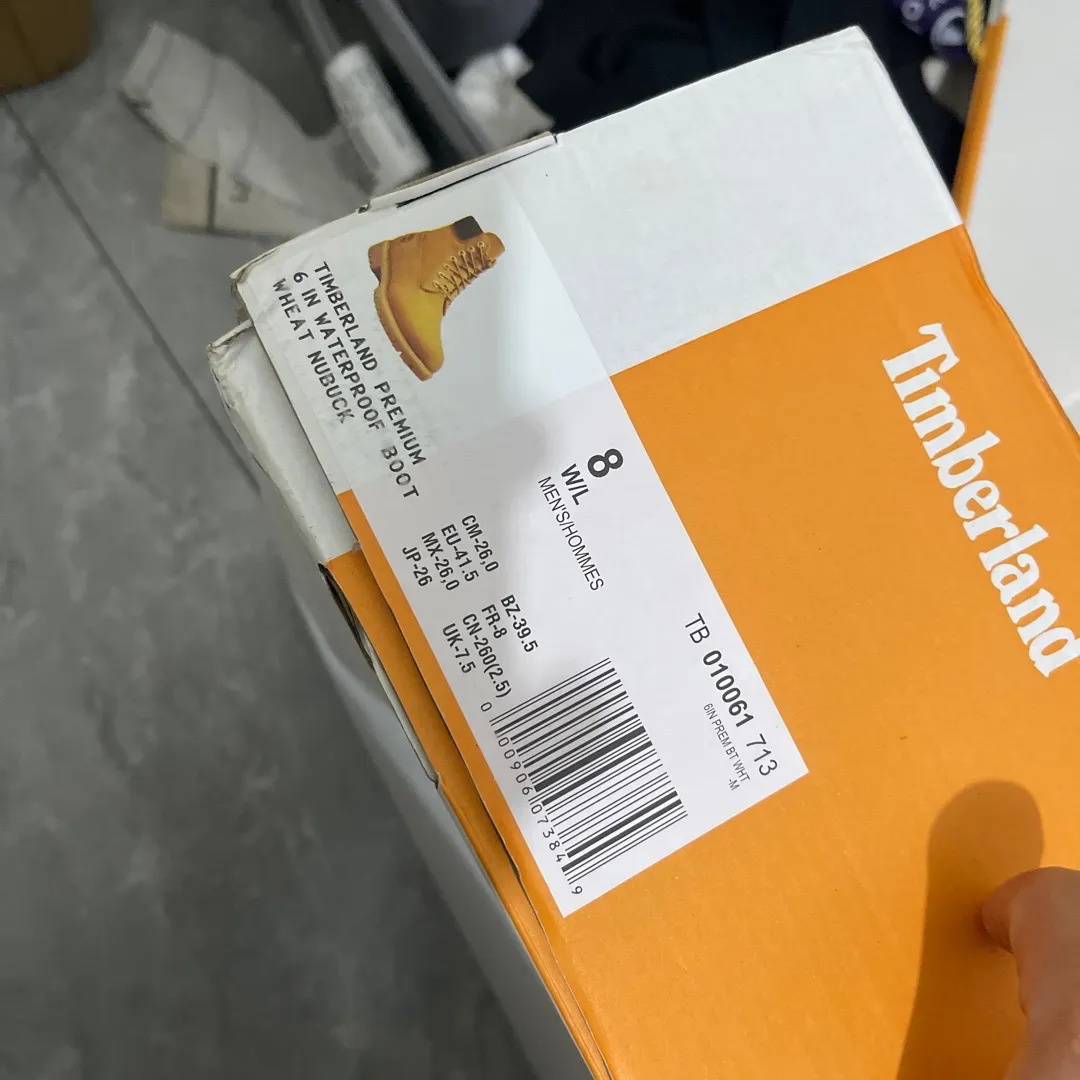
Label
Preview
REAL
Preview
FAKE
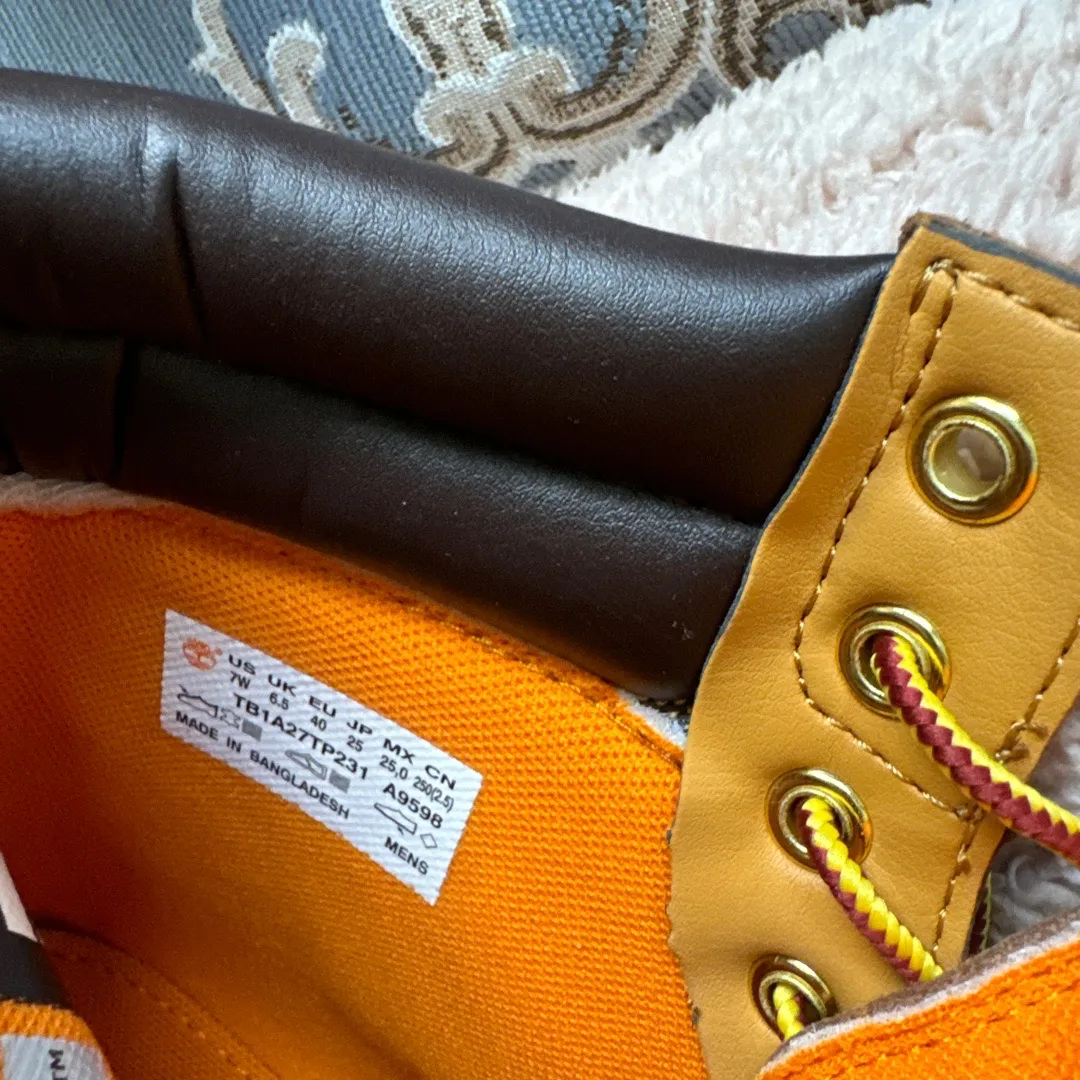
Confirm label authenticity by comparing tongue tag, inner label, and box sticker for matching style ID A27TP231 and consistent font kerning. Country-of-origin text, batch codes, and production dates should be present and legible. Scan barcode where possible to verify product data. Any discrepancies, faded printing, or mismatched identifiers likely indicate counterfeit items or unauthorized aftermarket modifications; retain records for disputes.
Go to Authentication
Rely on POIZON's dual authentication—human experts plus AI—to confirm rhinestone settings, stitching accuracy, and label legitimacy before purchase. Document any irregularities with clear photos, note mismatched fonts or incorrect style IDs, and request production proof. Keep receipts and authentication certificates. When uncertain, consult POIZON specialists who prioritize accuracy, transparency, and buyer protection for confident acquisitions and post-purchase support.
About
Customer Support
Follow Us


Join Our Newsletter
By subscribing, you agree to us using your personal information for marketing and to receiving our emails. Unsubscribe anytime at the bottom of our emails.
Download POIZON APP
App Exclusive $10 Code: 10APP


Security Certification



We Accept







©2026 POIZON All Rights Reserved.
POIZON Holding PTE. LTD.
6 RAFFLES QUAY #14-06 SINGAPORE